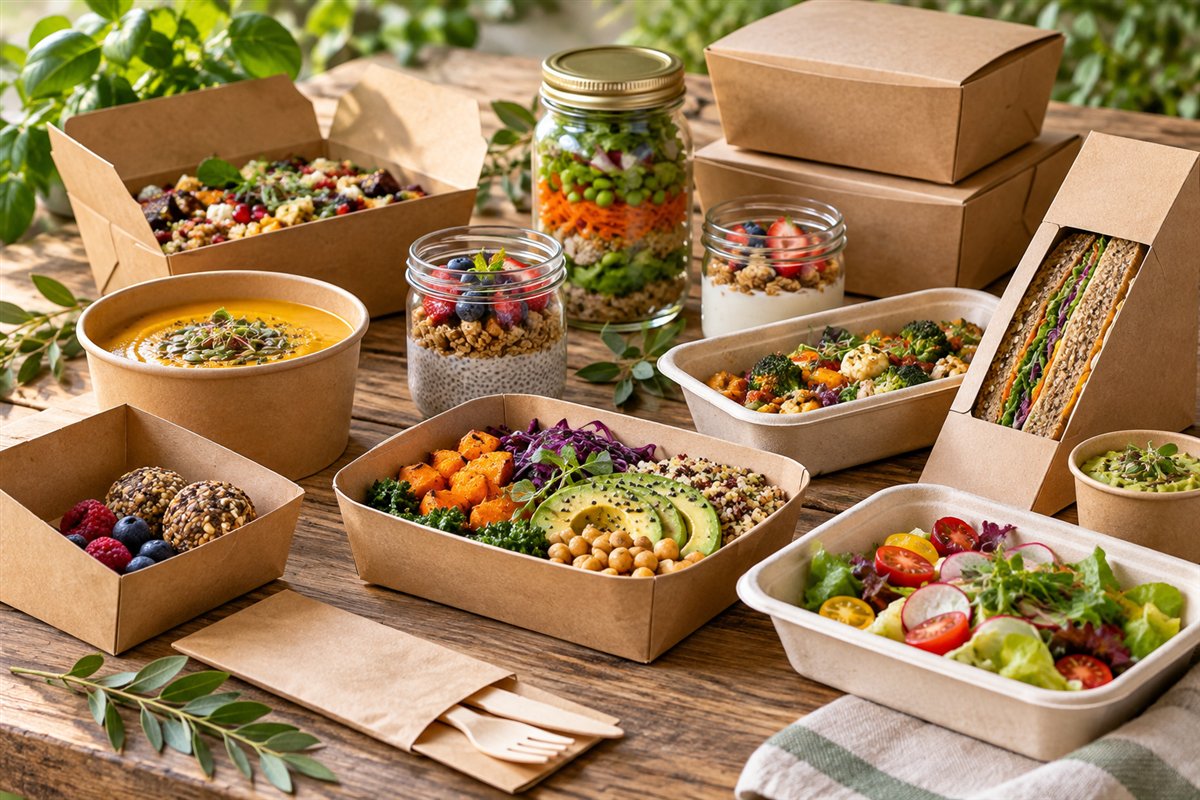
The most sustainable package is not simply the one using the least material; it must also protect the food effectively and communicate clearly.
Protect the product first
Packaging that fails can increase food waste, which carries its own environmental cost. Consider shelf life, moisture, oxygen, light, transport and tamper evidence before reducing material or changing formats.
Prefer clear material choices
Single-material packs can be easier to sort than complex laminates, but performance and local collection systems matter. Avoid vague environmental claims. State practical disposal instructions that a customer can understand.
Design for real behaviour
Labels should explain whether components need separating, rinsing or returning. Small removable pieces may be difficult to recover. Test instructions with real users instead of assuming recycling symbols are self-explanatory.
Use the right pack size
Oversized packs waste material and transport space, while packs that are too small or fragile can damage the food. Portion formats can sometimes reduce waste by helping customers open only what they need.
Review the whole system
Compare materials, suppliers, transport, manufacturing efficiency and end-of-life options. Record assumptions and revisit them as collection infrastructure and packaging technology change.